BIG JV TRANSPORT · ROAD SAFETY
Winter Roads, Semi Trucks & Pileups: Give Everyone Room to Get Home
Behind every windshield is someone who deserves to make it home. As winter approaches, a little patience and a lot more space can help protect everyone sharing the roadway.
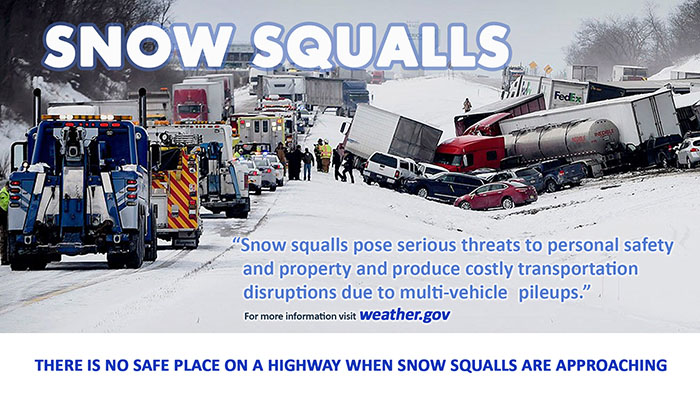
How one crash can become a pileup
A snow squall can bring a sudden whiteout and rapidly icy pavement, even without a major winter storm. Drivers may reach slowed or stopped traffic before they can see it clearly. Low traction leaves less room to recover, and vehicles arriving behind them can become part of a chain-reaction crash.
When cars and tractor-trailers share that road, the consequences can be severe. The point is to protect each other: leave space before trouble appears, and resist the pressure to keep moving when conditions deteriorate.
Guidance: National Weather Service snow squall safety.
Give semi trucks room to stop
Large trucks have longer stopping distances and bigger blind spots than passenger vehicles. A gap in front of a truck is valuable braking space. Cutting into it and slowing abruptly can leave the driver with very few options.
- Pass and merge patiently. See the truck in your rearview mirror and leave extra space before moving in front.
- Stay out of blind spots. Avoid lingering beside the trailer. If you cannot see the driver’s face in the truck’s mirror, the driver may not see you.
- Do not tailgate. Give yourself room to see traffic and respond.
- Expect wider turns. Never squeeze into the space a truck needs to complete a turn.
Guidance: FMCSA tips for sharing the road with large trucks.
Before the first snowy trip
Check tires, lights, wipers, and defrosters. Clear snow and ice from your vehicle and fill the washer reservoir with suitable winter fluid. Pack blankets, a flashlight, a phone charger, water, and emergency supplies. Buckle up on every trip.
Check the forecast and road conditions before leaving. In Michigan, use MDOT Mi Drive for road information. Give yourself extra time and postpone nonessential travel when conditions are dangerous.
Guidance: NHTSA winter driving tips and Michigan winter driving safety.
If visibility suddenly disappears
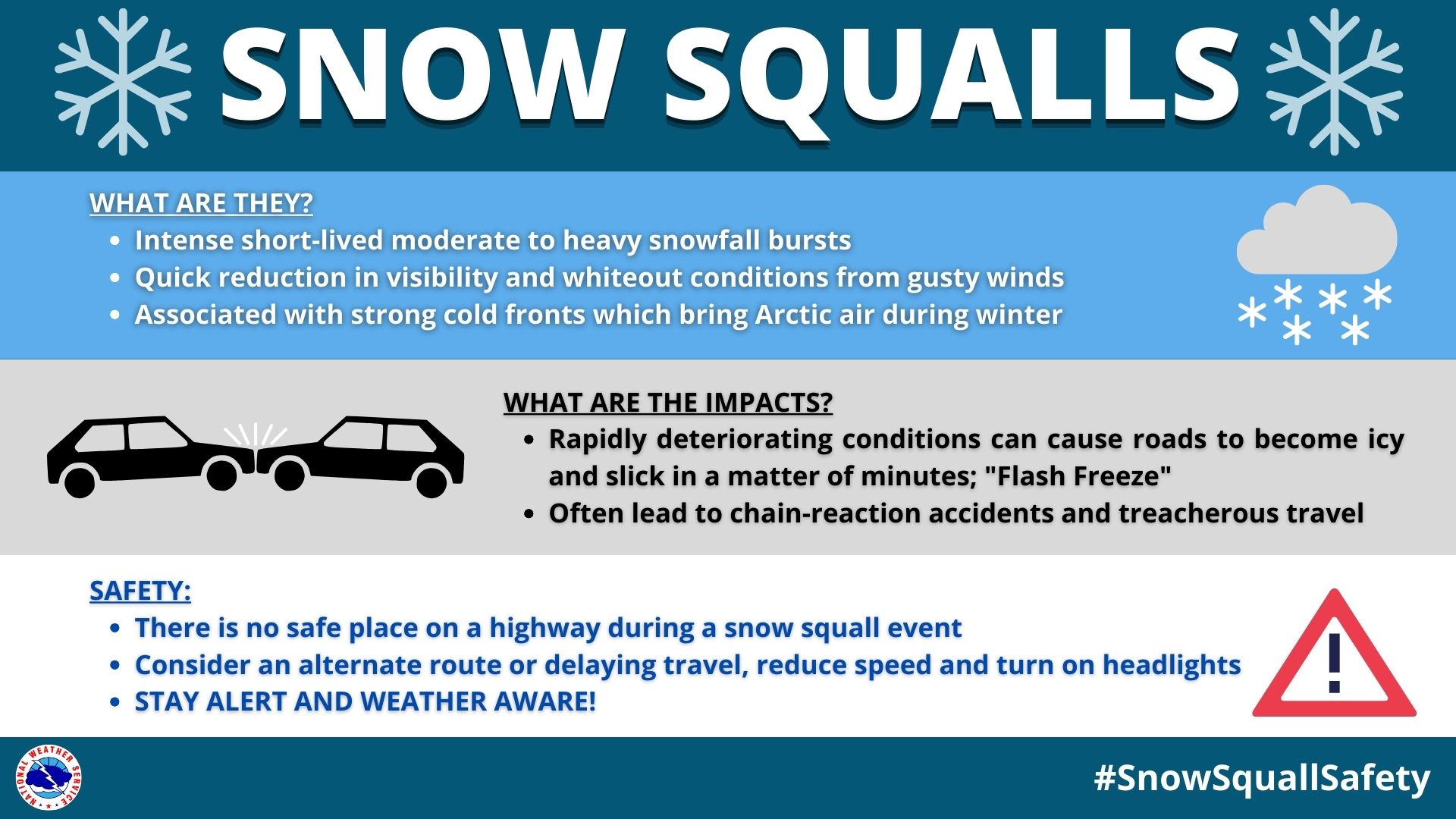
If a snow squall warning affects your route, delay travel until it passes. If you are already driving, reduce speed gradually, increase following distance, and avoid sudden braking. Turn on your headlights. When you can safely do so, leave the highway at an exit and wait somewhere away from traffic. Do not stop in a travel lane to wait out the weather.
Truck drivers and dispatchers: communicate changing conditions early. Adjust the schedule when the road becomes unsafe. A delivery time should never pressure a driver into a dangerous decision.
If you are caught in a pileup
Call 911 when you can safely do so and follow emergency responders’ directions. Do not stand on or near the roadway. If you can safely leave your vehicle and get far away from traffic, do so. If you cannot safely exit, stay seated with your seat belt on. Never walk into moving traffic or stop to film a crash.
Guidance: National Weather Service pileup safety.
Let’s look out for each other this winter
Big JV Transport encourages everyone—truck drivers, commuters, families, and dispatchers—to choose patience over pressure. Give trucks room, give other drivers grace, and give yourself permission to wait for safer conditions. We all share the road. Let’s help each other get home.