BIG JV TRANSPORT · TRUCKING TECHNOLOGY
Autonomous Trucks Are Hauling Houston Freight: Should Every Driver Be Concerned?
An empty driver’s seat in a working semi is no longer just a future concept. Freight is already moving autonomously on the Dallas–Houston corridor. For drivers and families sharing those roads, the questions are practical: how safe is it, and whose work could change?
What is actually happening around Houston?
Aurora announced regular commercial driverless deliveries between Dallas and Houston on May 1, 2025. Its launch customers included Uber Freight and Hirschbach Motor Lines. This established that freight could move on public roads without someone driving from the cab.
Source: Aurora’s May 2025 launch announcement.
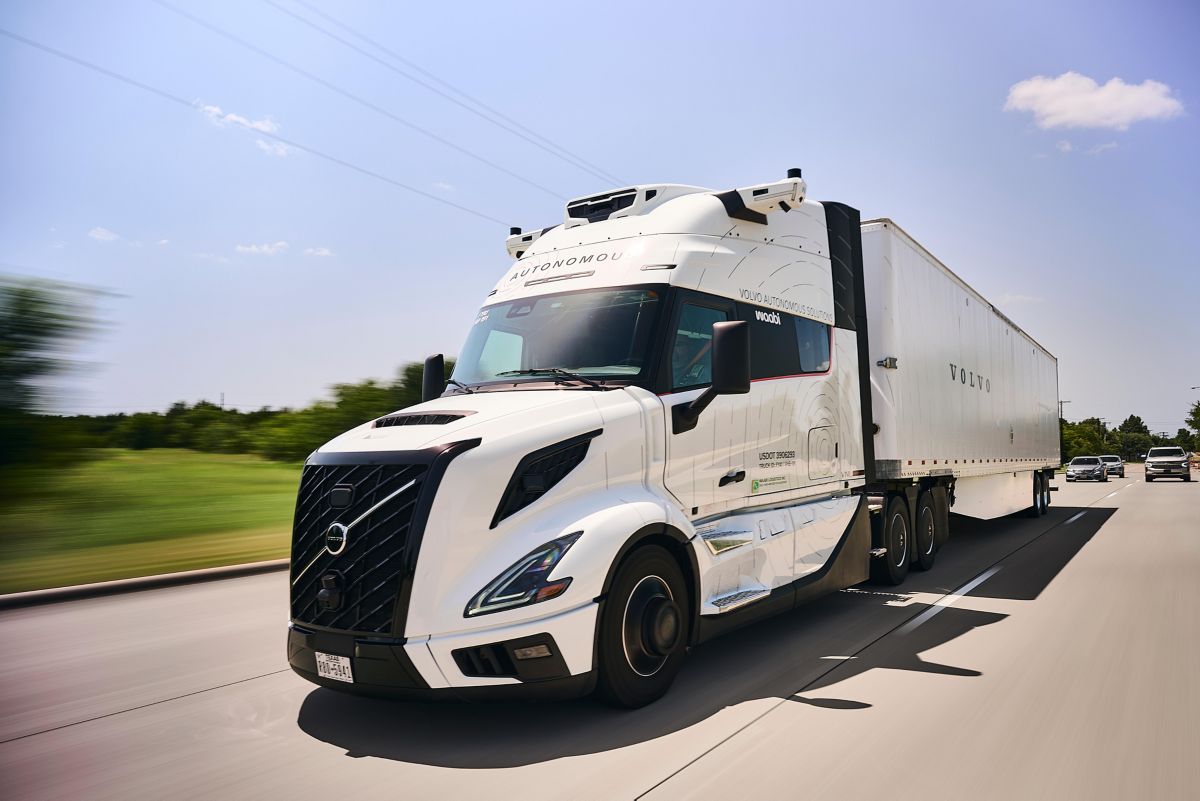
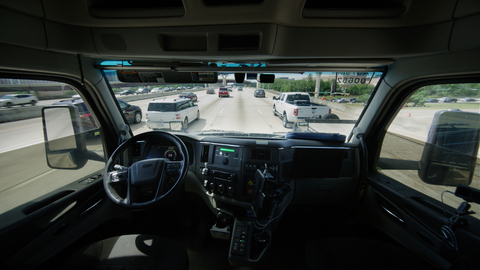
A newer development arrived October 5, 2026: Volvo Autonomous Solutions and Waabi announced customer freight operations for Warp on the same corridor, serving third-party facilities. Volvo explicitly says these hauls currently have an observer in the driver’s seat. “Autonomous” therefore does not always mean an empty cab. Check the operator, route, and stage of deployment before sharing a headline.
Source: Volvo’s October 2026 announcement.
Does this mean a truck can drive anywhere?
No. NHTSA distinguishes Level 4 automation, which operates within limited service areas, from Level 5 automation, which would operate universally. A working highway route does not prove a system can handle every road or condition. Ordinary consumer driver-assistance features also require an attentive driver; they are not permission to stop watching the road.
Source: NHTSA’s automation-level explanation.
What should everyone ask about safety?
Useful questions concern operating limits, severe weather, construction, emergency vehicles, and what happens after a failure or roadside stop. People should also expect clear crash reporting and responsibility for maintenance and recovery. These are questions for operators and regulators, not proof that a particular truck is unsafe. A successful launch alone cannot establish that autonomous trucks are safer than human drivers across all conditions.
The same road discipline still matters: leave stopping room, avoid cutting off a truck, and do not linger beside it. Never brake-check or try to “test” an automated vehicle. If you see an immediate danger, get to safety and contact emergency services; do not film while driving.
Road-sharing guidance: FMCSA tips for passenger vehicle drivers. The warning against testing a vehicle is Big JV’s safety advice.
Which trucking jobs should watch most closely?
Our business assessment: repeat highway movements between freight facilities are the clearest near-term area to watch, because that is where the cited commercial operations are happening. Drivers and carriers competing on those lanes may face changes in customer expectations and available work as services expand. These announcements do not tell us how many jobs will be lost or when.
Local deliveries, changing routes, specialized cargo, and work requiring a person at the customer’s location involve additional tasks beyond highway driving. That can make adoption different, but it does not make those jobs permanently immune. Dispatch, maintenance, terminal support, and customer communication also remain important activities; growth in those roles is not a guaranteed replacement for lost driving work.
What should small carriers like Big JV do?
Watch developments without making business decisions from fear. Build direct shipper relationships, know your true cost per total mile, communicate reliably, and document good service. Ask prospective customers whether they need overflow coverage, flexible appointments, or hands-on help. Strengthen the services your business can deliver consistently instead of assuming that the lowest rate will win.
For dispatchers, this is another reason to learn customer needs and develop repeat accounts. For drivers, safe operation, dependable service, and equipment knowledge remain valuable skills.